
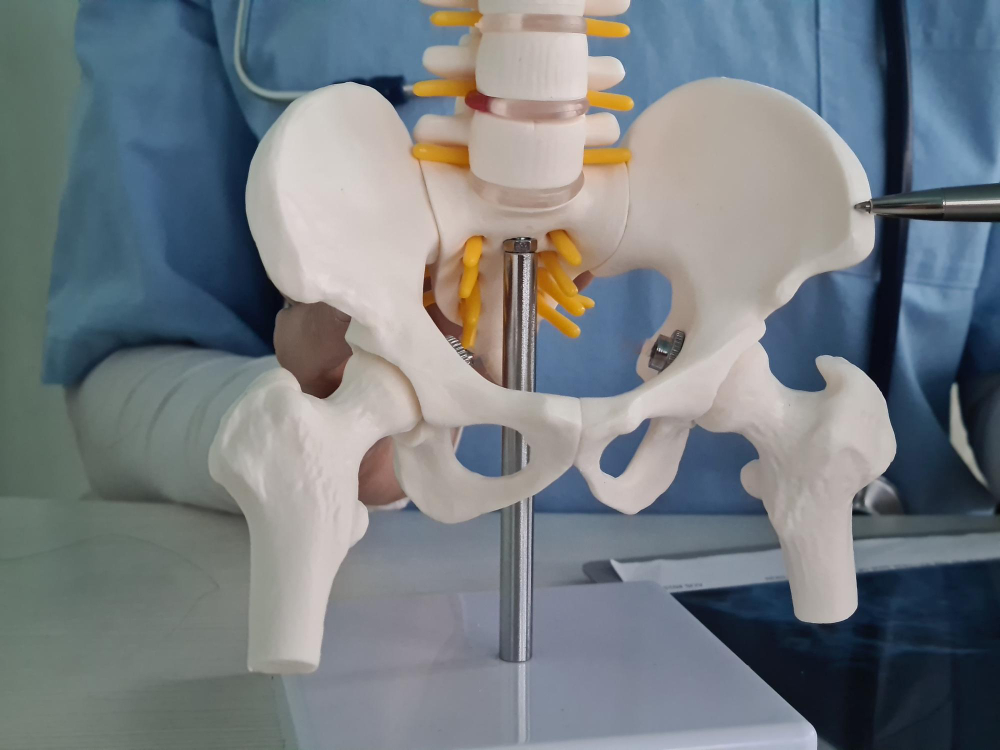
What is Total Hip Replacement (THR)?
Total Hip Replacement (THR) is a surgery that replaces a damaged hip joint with an artificial one. Doctors often suggest this procedure when hip pain limits daily life. For many, THR can bring back movement and reduce pain. The new joint is usually made of metal, plastic, or ceramic parts. According to the World Health Organization, THR is safe and helps many people regain their independence. If you are considering total hip replacement surgery, it is important to know what to expect.
Symptoms Indicating the Need for THR
Many people wonder about the signs you need hip replacement. Some symptoms may suggest it is time to talk to your doctor. For example, you might notice:
However, not everyone with hip pain needs surgery. Your doctor can help decide if THR is right for you.
Causes Leading to THR
There are several reasons why someone might need a hip replacement procedure. Most often, these include:
Because these conditions can get worse, early treatment is important.
Diagnosis Before THR
Before recommending total hip replacement surgery, doctors use several steps to make a diagnosis. First, they will ask about your symptoms and medical history. Next, they will examine your hip and check how well you can move it. Often, doctors use X-rays or MRI scans to see the inside of your hip. These tests help show how much damage is present. Sometimes, blood tests are needed to rule out infection or other problems. After gathering all this information, your doctor will discuss the best treatment options with you.
The THR Procedure: What to Expect
Knowing what happens during a hip replacement procedure can help you feel prepared. Usually, the surgery takes about one to two hours. Here is what you can expect:
Most people stay in the hospital for a few days after surgery. However, your doctor will let you know when it is safe to go home.
Recovery and Rehabilitation After THR
Recovery after total hip replacement surgery is important for a good outcome. At first, you may need help walking or getting out of bed. Physical therapy starts soon after surgery. This helps you regain strength and movement. Here are some THR recovery tips:
Because everyone heals at a different pace, talk to your doctor about your progress. Most people can return to normal activities within three to six months.
Prevention and Lifestyle Tips
While not all hip problems can be prevented, some steps may help keep your hips healthy. For example:
Because prevention is better than cure, these habits can support your joint health for years to come.
Frequently Asked Questions (FAQs)
If you have more questions, your orthopedic specialist at Tirumala Hospital can provide answers based on your needs.
Consult an orthopedic specialist to discuss if Total Hip Replacement is right for you.