
Introduction
Pit & fissure sealants are a simple way to protect your teeth from cavities. These thin coatings cover the grooves on the chewing surfaces of your back teeth. Because these grooves are hard to clean, food and germs can get trapped. As a result, cavities often form there. However, sealants can help stop this from happening. Many dentists recommend sealants for children and adults. In fact, the Centers for Disease Control and Prevention (CDC) supports their use for cavity prevention.
What Are Pit & Fissure Sealants?
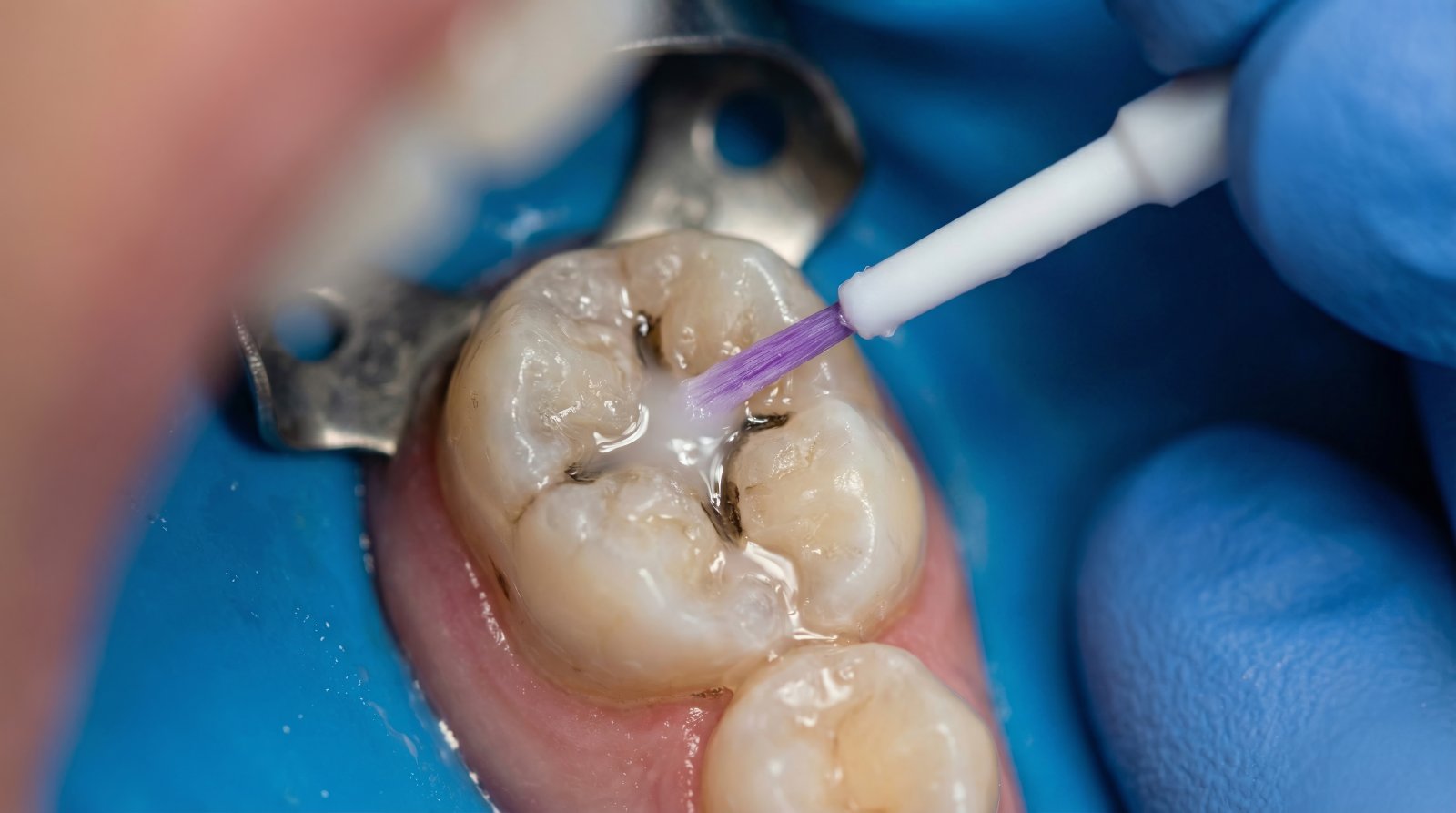
Pit & fissure sealants are clear or white plastic coatings. Dentists place them on the chewing surfaces of your back teeth, like molars and premolars. These teeth have deep grooves, called pits and fissures. Because toothbrush bristles cannot always reach these areas, sealants act as a barrier. They keep out food and germs, which helps prevent tooth decay. In other words, sealants make it easier to keep your teeth healthy.
Who Should Get Pit & Fissure Sealants?
Sealants are helpful for many people. However, they are most often used for:
In addition, people with a higher risk of cavities may benefit more. Your dentist can help decide if sealants are right for you or your child.
How Are Sealants Applied?
The process is quick and painless. First, the dentist cleans and dries the tooth. Next, a special gel is placed on the chewing surface. After a few seconds, the gel is rinsed off. Then, the dentist dries the tooth again and applies the sealant. Finally, a blue light may be used to harden the sealant. The whole process usually takes only a few minutes per tooth. Most people do not feel any discomfort during the procedure.
Benefits of Pit & Fissure Sealants
There are many reasons to consider dental sealants for cavity prevention. For example:
According to the CDC, children with sealants have fewer cavities than those without them.
Potential Risks or Side Effects
Sealants are very safe for most people. However, a few minor risks may occur. For instance, some people may have a mild allergic reaction to the material. Rarely, a sealant may chip or fall off. If this happens, the dentist can easily repair or replace it. Overall, the benefits far outweigh the risks for most patients.
Aftercare and Maintenance Tips
Taking care of your sealants is easy. Still, you should follow these tips:
With good care, sealants can last up to 9 years, but they may need touch-ups.
Prevention and Oral Hygiene Advice
Even with sealants, it is important to keep your mouth healthy. For example, you should:
Because good habits help prevent cavities, sealants work best when combined with daily care.
Frequently Asked Questions
Conclusion
Pit and fissure sealants are a safe, easy way to protect teeth from cavities. They work best when combined with good oral hygiene. Consult your dentist at Leela Superspecialty Dental Hospital to find out if pit & fissure sealants are right for you.