
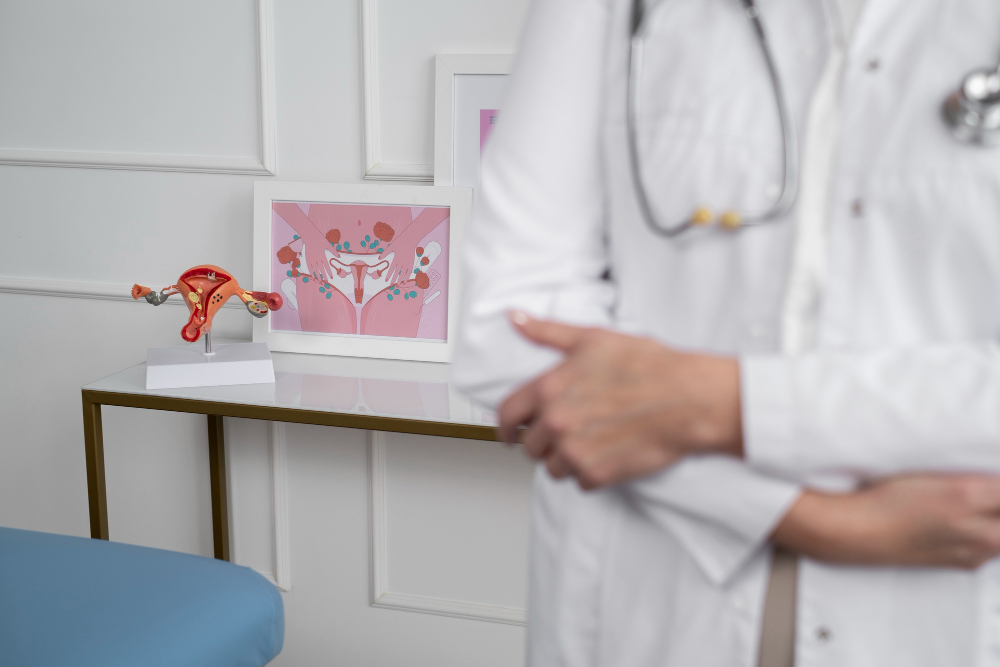
What is Cervical Cancer?
Cervical cancer is a type of cancer that starts in the cervix. The cervix is the lower part of the uterus that connects to the vagina. Most cases of cervical cancer are caused by a long-lasting infection with certain types of human papillomavirus (HPV). Early detection is important because treatment works best in the early stages. According to the World Health Organization (WHO), cervical cancer is one of the most common cancers in women worldwide.
Symptoms of Cervical Cancer
Often, cervical cancer does not cause symptoms in the early stages. However, as the disease grows, you may notice some signs. Early signs of cervical cancer can include:
If you notice any of these symptoms, it is important to see a doctor. Early treatment can make a big difference.
Causes and Risk Factors
Most cervical cancer cases are linked to HPV infection. However, not everyone with HPV will develop cancer. Several factors can raise your risk, such as:
HPV and cervical cancer are closely connected. But, you can lower your risk by taking steps to protect yourself.
Diagnosis
Doctors use several tests to find cervical cancer. Regular cervical cancer screening is the best way to catch changes early. Common tests include:
Early detection through screening can help prevent cervical cancer from developing or spreading.
Treatment Options
Treatment for cervical cancer depends on the stage and your overall health. Options may include:
Doctors will discuss the best plan for you. Early-stage cervical cancer often has more treatment choices and better outcomes.
Prevention Tips
There are several ways to lower your risk of cervical cancer. Preventing cervical cancer starts with healthy habits and regular care. Here are some tips:
In addition, talk to your doctor about the best prevention plan for you.
When to See a Doctor
If you notice unusual vaginal bleeding, pain, or discharge, you should see a healthcare provider. Even if you feel healthy, regular cervical cancer screening is important. Early signs of cervical cancer can be easy to miss. Therefore, staying up to date with check-ups can help catch problems early.
Consult a healthcare specialist at Tirumala Hospital for personalized advice on cervical cancer prevention and care.