
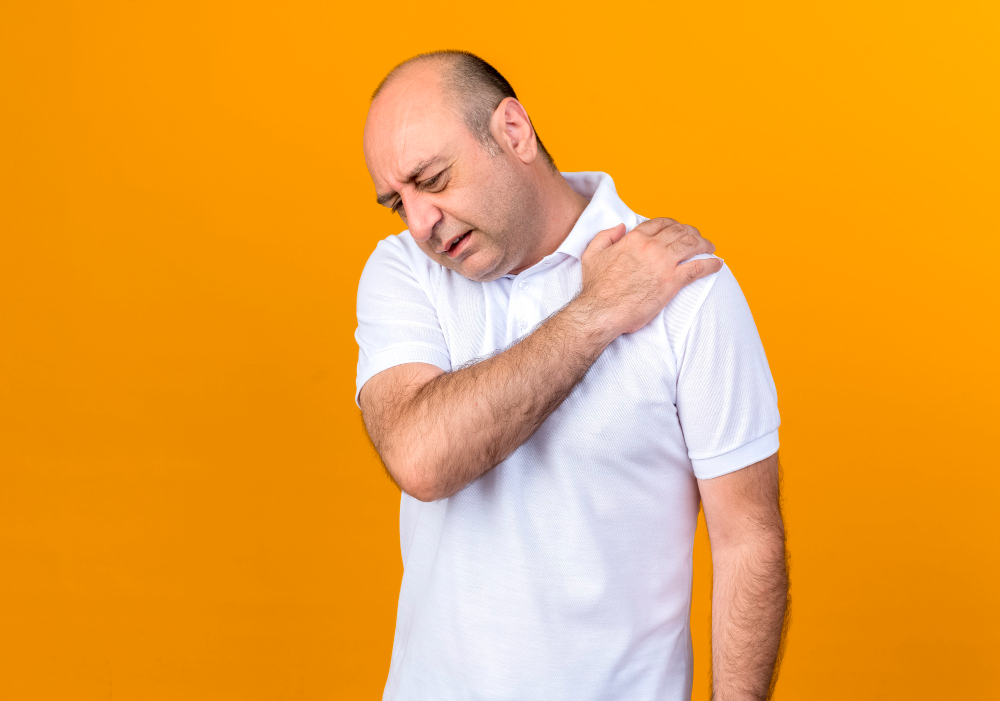
What is a Clavicle Fracture?
A clavicle fracture is a break in the collarbone. The collarbone connects your breastbone to your shoulder. Because it sits near the skin, it is easy to injure. In fact, clavicle fractures are common in both children and adults. Many people call this injury a broken collarbone. Often, a clavicle fracture happens during sports, falls, or accidents. Early care can help you heal faster and avoid problems.
Common Symptoms
Recognizing the signs of a clavicle fracture is important. Early treatment can help you recover well. Usually, symptoms appear right after the injury. However, some signs may develop later.
If you notice these symptoms, you may have a clavicle fracture. Seek medical help for proper care.
Causes and Risk Factors
Many things can cause a clavicle fracture. Most often, it happens from a direct blow or fall. Still, some people are at higher risk than others.
Children and teens break their collarbones more often because their bones are still growing. However, older adults may also be at risk due to weaker bones.
How Clavicle Fractures are Diagnosed
Doctors use several steps to diagnose a clavicle fracture. First, they will ask about your injury and symptoms. Next, they will examine your shoulder and collarbone. Often, they check for swelling, bruising, or changes in shape. Then, they may order an X-ray to see the break clearly. Sometimes, a CT scan is needed for complex cases. Early diagnosis helps guide the best clavicle fracture treatment.
Treatment Options
Treatment for a clavicle fracture depends on the break’s type and location. Most broken collarbones heal without surgery. However, some severe cases may need an operation. Your doctor will suggest the best plan for you.
With proper care, most people recover well from a clavicle fracture.
Recovery and Lifestyle Tips
Healing from a broken collarbone takes time. Most people recover in 6 to 12 weeks. However, some may need more time, especially after surgery. During recovery, follow your doctor’s advice closely. Here are some tips for a smoother recovery:
For a full return to sports or heavy work, always get your doctor’s approval first. This helps prevent another injury.
Prevention Strategies
Although not all clavicle fractures can be prevented, you can lower your risk. Simple steps can help keep your bones and body safe.
By following these tips, you can help avoid a broken collarbone.
When to See a Doctor
If you think you have a clavicle fracture, see a doctor right away. Early care can prevent problems. Seek help if you notice:
Prompt treatment can help you heal faster and avoid long-term issues.
Consult an orthopedic specialist at Tirumala Hospital for personalized advice on clavicle fracture care.